
September is Childhood Cancer Awareness month, a time to honor the strength of kids and families facing cancer. In recognition of this month, our goal is to share practical information and resources that can help make their journey a little easier and support kids in reaching their fullest potential.
One of the challenges some children experience during treatment is called chemotherapy-induced peripheral neuropathy (CIPN).
This can happen when common chemotherapy medicines, including vincristine, affects the nerves. This can make everyday tasks more difficult, including walking and playing. Knowing what to watch for as a parent can help support your child.
Signs and Symptoms of CIPN in Children
Parents are often the first to notice small changes. Some early and common signs include:
- Walking changes
- Feet may slap the floor when walking (making a smacking sound)
- Lifting knees higher to walk
- Increased stumbling or tripping
- Balance difficulties
- Difficulty staying on one leg (dressing, stair climbing, or kicking a ball)
- Looking or feeling off balance
- Reaching for walls, furniture, or an adult’s hand frequently
- Hand grip difficulties
- Dropping items (utensils, crayons, and toys are common objects)
- Unable to open objects
- Trouble with buttons, zippers, or handwriting
- Sensory Complaints in hands or feet
- Tingling
- Numbness
- Pins and needles
If you notice these symptoms, it is important to discuss them with your medical team. Meeting with a physical therapist at the onset of treatment, checking in periodically during treatment, and again at the end can help your child stay as strong as possible while adjusting to any changes along the way.
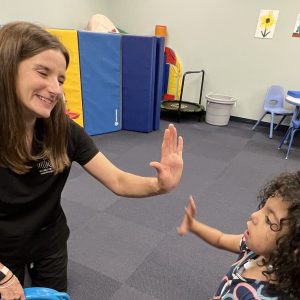
At Savannah Speech and Hearing Center, our pediatric physical therapist is here to support you through the journey. We want to empower families to learn about the side effects, like CIPN, so you can take proactive steps to support your child’s strength, safety, and independence.

Leave a Reply